ClickCease

What you need to know about Sinus Lift


You need a sinus lift (sinus augmentation) when your dentist can’t place your dental implants because you don’t have sufficient bone height in the upper jaw or your sinuses are too close to the jaw. If you have a sinus lift coming up, you need to know what to expect throughout the surgery process.

What is a Sinus Lift?

Some people need dental implants but don’t have enough bone support essential for implants because of bone loss that’s where a sinus lift can help as it boosts the amount of bone in the upper jaw by adding bone to the space between your molars and premolars. The sinus membrane has to be moved upward to make enough space for the bone. Overall, a sinus lift is a surgery that makes it easier to place dental implants.

What happens before Sinus Lift surgery?

If you decided to do this procedure you’ll need to get X-rays taken because it allows the surgeon or dental specialist to study your jaw and sinuses so they can figure out exactly what you need.

What happens during Sinus Lift Surgery?

Patients have several anesthetic options to choose from like local anesthesia, general anesthesia, intravenous sedation, or nitrous oxide sedation. After anesthesia, the surgeon cuts the gum tissue where the implant is planned. When the jawbone has been exposed your surgeon cuts a small circle in the bone and lifts the bony piece into the sinus cavity space and This “lift” provides a space that can be filled with bone graft material.
Occasionally the dental implant is placed right after your procedure, but most often it is preferred to allow 6 or more months for the area to heal before placing the implant. The amount of time between your surgery and getting your implants placed depends on how much bone you needed.

What happens after your Sinus Lift surgery?

You might have some swelling and experience some light bleeding from your nose or mouth in the days immediately following surgery. Sneezing and blowing your nose can cause the bone-graft material to move and loosen the stitches so try not to blow your nose or sneeze frequently after your procedure even though it’s extremely hard to control it.
Your dentist might give you some antibiotics and pain medicine to ease the pain. Moreover, you can also get a saline spray to keep your nose moist. To prevent infection you can use an antimicrobial mouthwash. Furthermore, you need to make an appointment with your surgeon 7-10 days after your surgery.


When should you contact your surgeon after your Sinus Lift surgery?

You should call your doctor in some cases like:
•If you have a fever.
•If the bone-graft material has dislodged.
•If the bleeding continues after 1-2 days.
•If the swelling or pain rises over time.

What is Dental Socket Preservation?

 Is Socket Preservation Necessary?

Dental socket preservation is a procedure to prevent further bone loss after removing your tooth. This procedure is also called alveolar ridge preservation, which involves the placement of bone materials in the socket of a newly extracted tooth.

The socket preservation procedure helps compensate for the resorption of the facial bone wall. Several techniques can be used to preserve the bone and minimize bone loss after an extraction.  This procedure should be considered when implant placement needs to be delayed for the patient or site-related reasons. It boosts implant success and survival by reducing bone resorption and accelerating bone formation. Also, socket preservation can lessen the need for later bone augmentation. The healing process before implant placement usually takes about six months.

After the removal of the tooth, your body does indeed heal properly. However, there are potential problems that your dental professional may see that lead him or her to perform socket preservation.

If your oral surgeon suspects that your gums may heal to the deformation of the socket that held your tooth, you will most likely be recommended for socket preservation. During the healing process, that socket can become deformed. If this happens, it will make dental implants more difficult if you decide to replace your tooth in the future.

In socket preservation procedures, the central goal is to preserve the bone volume by filling the socket with bone material substitutes. However, it comes with other benefits like:
•It establishes the foundation for future tooth replacement through a dental implant or dentures.
•It prevents teeth from drifting out of place.
•It helps prevent dry socket, a painful condition wherein the blood clot over the extraction site gets knocked out of place.

For an implant to be successful, the dental implant needs to be adequately integrated into the host bone in the proper position in three dimensions. Without enough bone, you have increased bone loss and gum recession around an implant over time. A socket preservation bone graft ensures you have enough healthy bone to gain dental implant treatment.

At Clove Dental Clinic, we’ve made it our mission to offer patients a wide range of unique dental services to help them overcome their dental problems or concerns. These are often problems related to the look or feel of their teeth and gums.


Pros and Cons of Dental Implants

Implants have revolutionized the field of replacement teeth. Although dental implants are the best long-term solution to replace missing teeth according to research, like any type of surgery, there are some advantages and disadvantages. Before replacing your missing teeth, you need to make sure implants are a proper choice for you. Here are the pros and cons of dental implants to help you decide.

“Pros of Dental Implants”

•Dental implants can last for decades
The dental implant has a success rate of 98%, therefore, the failure rate is extremely low. Which makes them the most effective treatment offered in modern dentistry.

•Dental implants mimic natural teeth
Dental implant design is based on the natural size and shape of the tooth they’re replacing which makes them perfect to support your bone and facial tissues. Apart from that, implants won’t feel any different than your regular teeth when eating and chewing.

•Dental implants are extremely cost-effective
The cost of dental implants is less compared to other types of restorations that need to be routinely replaced every several years.

•Dental implants allow you to replace as many teeth as you need to
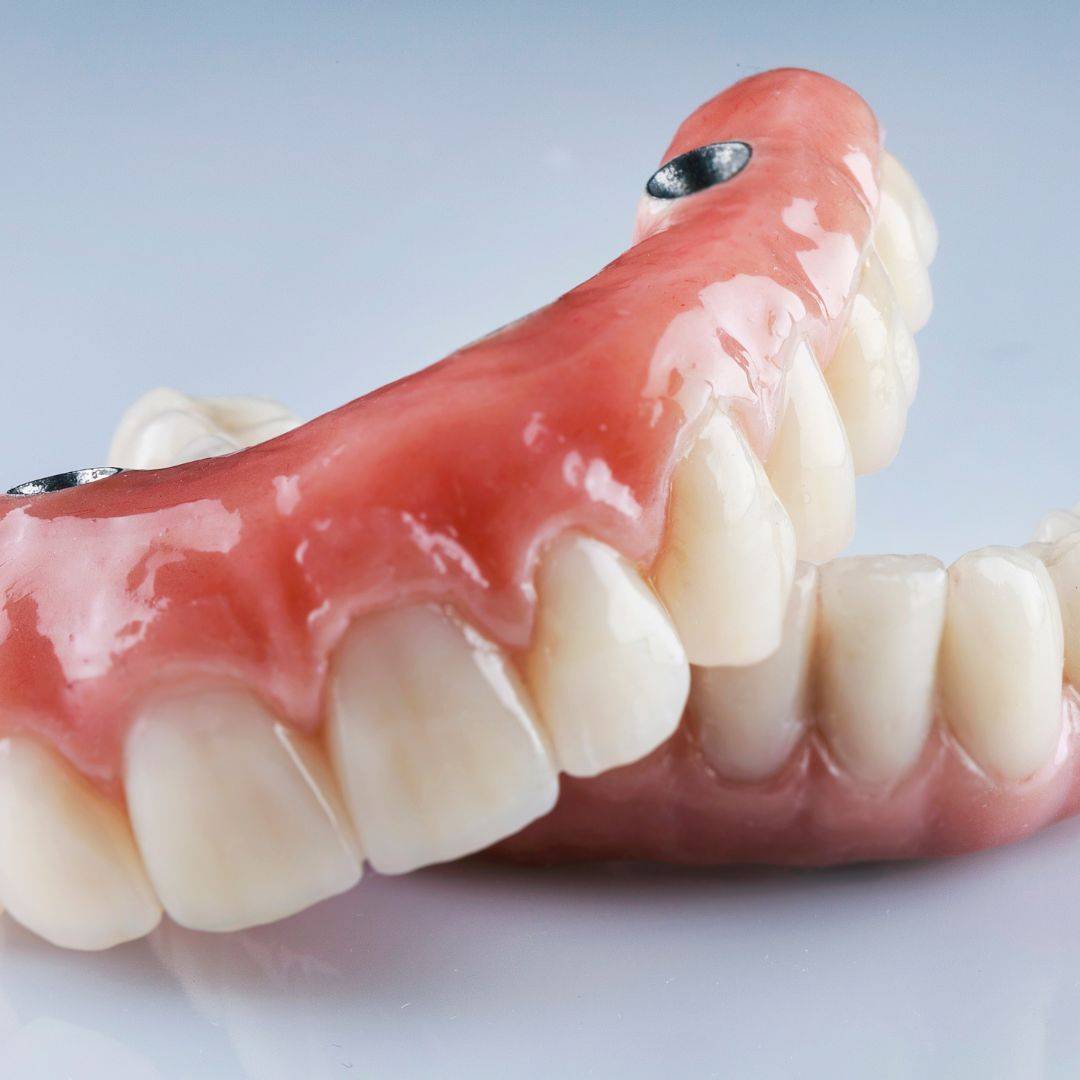
Dental implants give you the ability to replace as many teeth as you need to with no limit. Moreover, it’s possible to use one, two, or as few as four to support anything from a single crown to a full arch denture which means you do not certainly need an individual implant for each tooth that’s missing.

•Dental implants are easy to take care of
Take good care of your dental implants by daily brushing and flossing, regular dental checkups, and a healthy diet. Exactly like the way you would take care of your natural teeth.


“Cons of Dental Implants”

•Dental implant is a time-consuming procedure
You may end up requiring multiple appointments over around six months. Your dental implant surgery requires several phases of treatment start with the consultation and exam to the surgical placement, followed by the healing phase and restorative visits.

•Dental implant requires sufficient bone for its support
You’ll need enough bone to hold dental implants in place, as with natural teeth. Bone loss is also common if you lost your tooth because of gum disease. However, a bone graft can help with this problem.

•Dental implants restoration on top can wear out
If you get a crown or a bridge, the porcelain can still wear out and need to be replaced every several years because your implant is only the part of the tooth that supports a fixed restoration on top of it. In this case, wearing a protective bite splint could help you.

•Dental implants can be expensive
As the procedure is long, it can be quite costly. Implants aren’t the cheapest fix for a lost tooth, however, they’re the best long-term solution. The cost of dental implants is worth it for the comfort and natural feel you get, and it’s the nearest you’ll come to having your real tooth back.


Overall, it is obvious that the benefits heavily outweigh the flaws. Dental implants have been proven to be a great choice for people who suffer from tooth loss. We accept new patients in Clove dental.

Call Now
Directions