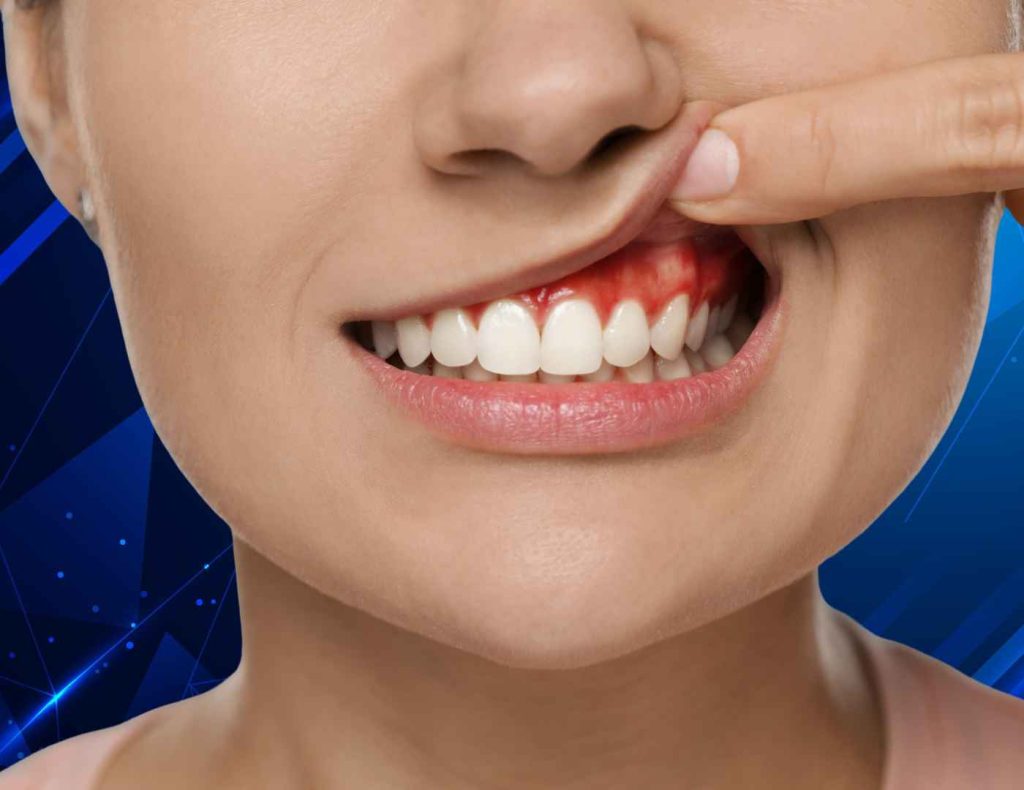
How to Prevent Tooth Abscesses Naturally
Tooth abscesses are painful and potentially serious dental infections that can disrupt your life. Fortunately, many abscesses can be prevented by adopting good oral hygiene habits and making lifestyle changes. This guide will walk you through dentist-approved tips for preventing tooth abscesses naturally, without relying on medications or invasive treatments.

What is a Tooth Abscess?
Before diving into prevention strategies, it’s important to understand what a tooth abscess is. A tooth abscess is a pocket of pus caused by a bacterial infection. The infection typically occurs at the root of the tooth or in the surrounding gum tissue. There are two main types of abscesses:
Periapical Abscess – Occurs at the tip of the tooth root.
Periodontal Abscess – Occurs in the gum tissue next to the tooth root.
These abscesses are usually caused by untreated cavities, gum disease, or trauma to the tooth. Left untreated, they can spread to other parts of the body and cause serious complications. However, by implementing some natural preventative measures, you can significantly reduce your risk.
Why Prevention is Key
Prevention of a tooth abscess is always better than dealing with the pain, infection, and the potential dental procedures that may be required to treat it. A proactive approach will save you time, money, and unnecessary suffering. By maintaining good oral hygiene and making smart lifestyle choices, you can lower your risk of developing these painful infections. Let’s explore the key steps.
1. Practice Good Oral Hygiene Daily
The most effective way to prevent tooth abscesses is to maintain a consistent oral hygiene routine. By removing plaque and bacteria from your teeth and gums, you reduce the chances of developing infections.
Brushing and Flossing
Brush your teeth at least twice a day for two minutes each time. Use a fluoride toothpaste to help fight cavities and strengthen enamel.
Floss daily to remove food particles and plaque from between your teeth, where your toothbrush can’t reach. This reduces the risk of gum disease, a common precursor to tooth abscesses.
Use an Antibacterial Mouthwash
Using a mouthwash with antibacterial properties can help reduce the buildup of bacteria in your mouth. Swish for 30 seconds after brushing to reach areas that may be difficult to clean with a toothbrush alone.
2. Eat a Balanced Diet for Healthy Teeth and Gums
Diet plays a huge role in your oral health. A nutritious diet helps keep your teeth and gums strong, reducing the risk of infections that can lead to tooth abscesses.
Key Nutrients for Healthy Teeth
Calcium: This mineral is essential for strong teeth. Include foods like dairy products, leafy greens, and fortified plant milks in your diet.
Vitamin D: This vitamin helps your body absorb calcium. Include foods such as salmon, eggs, and fortified cereals.
Vitamin C: Critical for gum health, vitamin C can be found in citrus fruits, strawberries, and bell peppers.
Phosphorus: This nutrient works with calcium to build strong teeth and can be found in eggs, fish, and legumes.
Reduce Sugary Foods and Drinks
Sugary foods and beverages are a leading cause of tooth decay. Bacteria in your mouth feed on sugar, which leads to acid production and weakens tooth enamel. Limit sugary snacks, soda, and fruit juices to lower your risk of tooth decay and abscesses.
3. Avoid Tobacco Products
Tobacco products, including smoking and chewing tobacco, contribute to poor oral health and increase your risk of developing tooth abscesses. Smoking:
Weakens your immune system, making it harder for your body to fight infections.
Increases plaque buildup on your teeth, which can lead to gum disease.
Slows the healing process of gum tissue and bone after dental procedures.
By quitting smoking or chewing tobacco, you significantly improve your chances of maintaining a healthy mouth and avoiding abscesses.
4. Stay Hydrated and Protect Your Saliva Production
Your mouth produces saliva, which is a natural defense against bacterial infections. Saliva helps wash away food particles and neutralizes acids in the mouth. When you’re dehydrated, your body doesn’t produce enough saliva, which increases your risk of tooth decay and infection.
Drink plenty of water throughout the day to maintain proper hydration.
Avoid excessive caffeine or alcohol consumption, as these can dehydrate you and reduce saliva production.
Additionally, consider chewing sugar-free gum, which can stimulate saliva production and keep your mouth moist.
5. Regular Dental Checkups and Cleanings
One of the best ways to prevent tooth abscesses is by visiting your dentist regularly. Routine dental checkups allow your dentist to catch early signs of decay or infection before they develop into more serious problems. During these visits, your dentist will:
Examine your teeth and gums for any signs of infection or damage.
Perform professional cleanings to remove plaque and tartar buildup.
Provide personalized advice on how to care for your teeth and gums.
Clove Dental North York recommends having a checkup at least twice a year to stay on top of your oral health.
6. Wear a Mouthguard During Physical Activities
Injuries to the mouth can lead to broken teeth, which may increase the risk of developing an abscess. If you play sports or engage in physical activities, wearing a mouthguard can protect your teeth from trauma and reduce the chances of future dental issues.
A mouthguard acts as a cushion, absorbing shock and protecting your teeth from cracks and fractures that could lead to infection.
7. Manage Stress and Your Immune System
Chronic stress weakens your immune system, which can affect your ability to fight off infections. Stress also leads to habits like teeth grinding (bruxism), which can weaken tooth enamel and lead to cracks that invite bacteria.
To manage stress:
Practice relaxation techniques like meditation or yoga.
Ensure you get enough sleep and manage your workload.
Consider using a mouthguard at night if you grind your teeth while sleeping.
A strong immune system can help prevent infections, including tooth abscesses, so managing stress is an essential part of natural prevention.
8. Treat Dental Problems Early
One of the most important steps in preventing a tooth abscess naturally is addressing dental issues as soon as they arise. Don’t wait until you have a serious infection. If you experience:
Tooth pain or sensitivity
Bleeding gums
A loose or broken tooth
Visit your dentist immediately for evaluation and treatment. Catching dental problems early can prevent the need for more extensive treatment later and protect you from the pain and complications of an abscess.
Conclusion
Preventing a tooth abscess naturally is about adopting healthy oral hygiene habits, eating a nutrient-rich diet, staying hydrated, and regularly visiting your dentist. By following these dentist-approved tips, you can reduce your risk of developing painful infections that can lead to tooth abscesses. Remember, prevention is always better than treatment, and maintaining your oral health now will save you time, money, and discomfort in the future.
If you’re in North York and looking for a trusted dental team to help maintain your oral health, Clove Dental North York is here to provide expert care and support. Book your appointment today and take the first step toward a healthier smile.