


How Long Does Invisalign Take? A Realistic Timeline for Patients
1. Introduction: Understanding Invisalign Treatment Time
One of the most common and practical questions patients ask before starting orthodontic treatment is simple: how long does Invisalign take? In a busy and diverse community like North York, where work schedules, social commitments, and family life all compete for attention, treatment time matters. Invisalign is often chosen not only for its discreet appearance but also for its perceived efficiency compared to traditional braces.
However, Invisalign is not a one-size-fits-all solution. While advertisements may suggest fast transformations, the reality is more nuanced. Treatment duration depends on biology, behaviour, and the complexity of each individual smile. Understanding these variables helps patients set realistic expectations and commit fully to the process, which ultimately leads to better and more predictable results.
Invisalign is designed to work with the body’s natural bone-remodelling process. This biological limitation means that while treatment can be optimized, it cannot be rushed without compromising safety or stability. Time, patience, and consistency are essential components of success.
2. How Invisalign Works and Why Time Varies
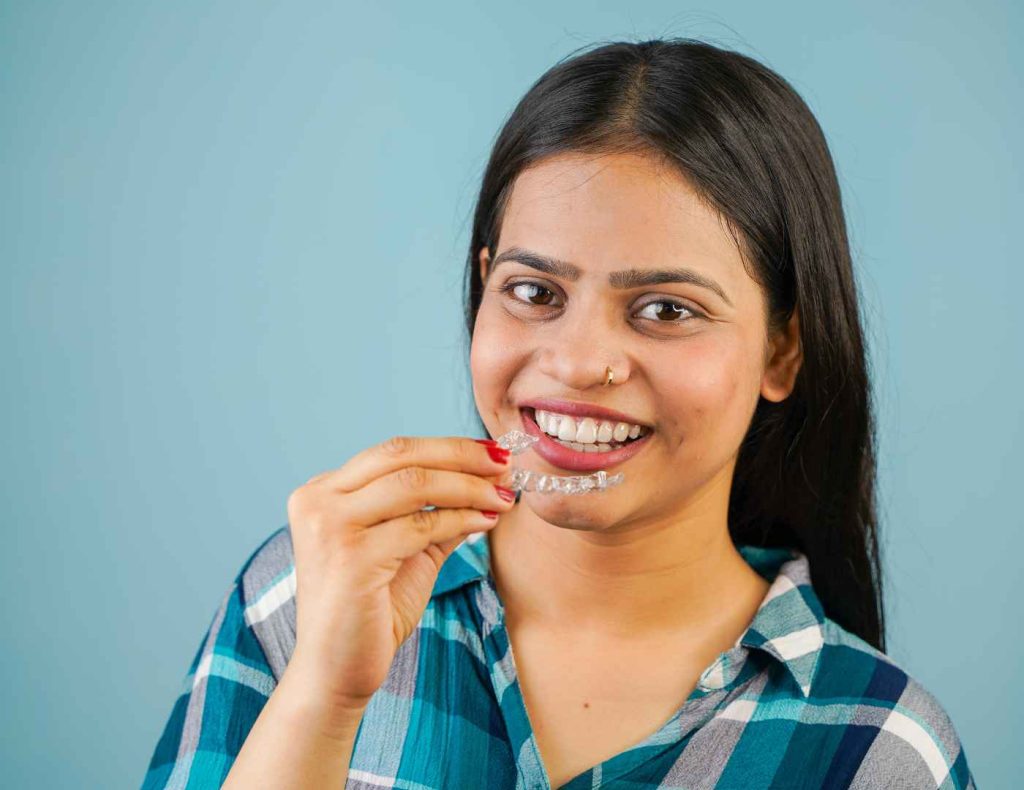
Invisalign uses a series of clear, custom-made aligners to gradually reposition teeth. Each aligner is engineered to apply controlled pressure to specific teeth, guiding them incrementally toward their final alignment. This process relies on the body’s ability to remodel bone tissue around the teeth, a slow but precise physiological response.
Unlike traditional braces, Invisalign aligners are removable. This feature provides convenience and comfort but also introduces a variable that directly affects treatment duration: patient compliance. Aligners must be worn for 20 to 22 hours per day to maintain consistent force on the teeth. Even small deviations from this schedule can slow progress significantly.
Another reason Invisalign timelines vary is the type of tooth movement required. Simple movements, such as closing small gaps or correcting mild crowding, respond quickly. More complex movements—such as rotating teeth, correcting bite discrepancies, or moving teeth vertically—require additional aligners and more time.
Age also plays a role. Younger patients often experience faster tooth movement due to more active bone metabolism. Adults, while still excellent candidates for Invisalign, may experience slightly slower movement because bone tissue becomes denser with age. That said, modern Invisalign technology is highly effective for adult orthodontics when treatment plans are followed precisely.
3. Average Invisalign Timeline and What Influences It
For most patients, Invisalign treatment lasts between 12 and 18 months. This range covers the majority of orthodontic needs seen in general practice. However, it is important to understand that this is an average, not a guarantee.
Patients with very mild alignment issues may complete treatment in as little as six to nine months. These cases typically involve minor spacing, small cosmetic adjustments, or slight crowding that does not affect the bite. Because fewer aligners are required, progress is often swift and predictable.
Moderate cases make up the largest group of Invisalign patients. These treatments often involve noticeable crowding, uneven spacing, or mild bite concerns and usually fall within the 12–18 month range. Progress in these cases is steady, provided aligners are worn consistently.
More complex cases—such as severe crowding, overbites, underbites, crossbites, or teeth requiring significant rotation—can take 18 to 24 months or longer. These cases often require attachments, refinements, and careful monitoring to ensure teeth move safely and accurately.
Refinements are another factor that can influence timeline. Even with advanced digital planning, teeth do not always move exactly as predicted. Refinements involve additional aligners to fine-tune alignment. While they may extend treatment time, refinements are often the difference between a good result and an excellent one.
4. What the Invisalign Journey Looks Like From Start to Finish
The Invisalign process begins with a comprehensive consultation and digital scan. Advanced imaging technology creates a precise 3D model of the teeth, allowing the entire treatment to be mapped out before it even begins. This planning phase is critical, as it determines the number of aligners required and provides an estimated treatment timeline.
Once aligners are fabricated, patients begin wearing them daily, switching to a new set every one to two weeks. Each aligner represents a small step forward. At first, patients may feel pressure or tightness, which is a normal sign that the aligners are working. This sensation typically subsides within a few days.
Throughout treatment, periodic checkups ensure progress remains on track. These visits are generally brief and less frequent than traditional orthodontic appointments, making Invisalign especially appealing for busy individuals in North York.
As treatment progresses, many patients notice visible changes within the first few months. Teeth gradually become straighter, spacing improves, and bite alignment becomes more balanced. Toward the end of treatment, refinements may be introduced to perfect alignment.
Once active treatment is complete, retainers are provided. This final phase is just as important as the aligners themselves. Retainers stabilize the teeth and prevent them from shifting back to their original positions, protecting the time and effort invested in treatment.
5. How to Avoid Delays and Get the Best Results
While some factors affecting Invisalign duration are biological, many are entirely within the patient’s control. Consistent wear is the single most important factor. Aligners left out for extended periods reduce the continuous pressure required for tooth movement, forcing treatment to slow or restart.
Proper aligner care also matters. Warped or damaged aligners do not fit correctly and cannot deliver precise movement. Attending scheduled checkups ensures that issues are identified early and corrected before they cause delays.
Lifestyle habits can also influence treatment time. Smoking, poor oral hygiene, or untreated dental issues can interfere with progress. Maintaining healthy gums and teeth ensures Invisalign can work efficiently without interruption.
Finally, patience plays a role. Invisalign is designed for gradual, controlled movement. Attempts to accelerate treatment by skipping aligners or shortening wear schedules often lead to setbacks rather than faster results.
6. Conclusion: Is Invisalign Worth the Time?
So, how long does Invisalign take? For most patients, the answer lies between several months and two years, depending on individual needs and commitment. While this may seem like a significant time investment, the benefits extend far beyond straight teeth.
Invisalign offers discretion, comfort, and flexibility, making it an appealing choice for patients in North York seeking a modern orthodontic solution. When worn as directed and supported by professional guidance, Invisalign delivers predictable, lasting results.
Time is an essential ingredient in orthodontic success. With Invisalign, that time is spent gradually building a healthier bite, improved function, and a confident smile—outcomes that continue to pay dividends long after treatment ends.


