
Navigating the Maze of Impacted Wisdom Teeth: Causes, Symptoms, and Treatments
Dealing with impacted wisdom teeth is a dental rite of passage for many, and understanding the nuances of this common issue is crucial. Wisdom teeth, or third molars, typically emerge between the ages of 17 and 25, presenting a variety of challenges. While some lucky individuals have enough jaw space for these late bloomers, many find themselves grappling with impacted wisdom teeth. This condition occurs when these molars can’t emerge properly, leading to a host of problems. Let’s delve into the causes, symptoms, and treatment options for impacted wisdom teeth.

Understanding Impacted Wisdom Teeth: A Dental Conundrum
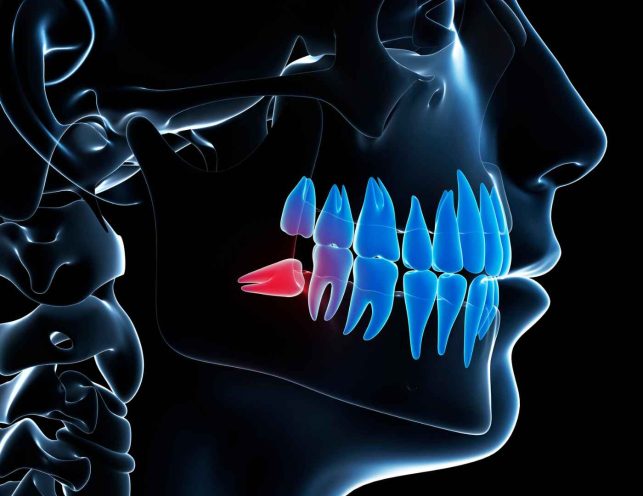
In a perfect world, our jaws would effortlessly accommodate wisdom teeth. However, reality often paints a different picture. Most people have room for around 28 teeth before wisdom teeth make their entrance. With wisdom teeth trying to squeeze into an already crowded oral space, they often end up impacted. This means they can’t fully emerge, becoming trapped between the jawbone and gum tissue.
Symptoms that Speak: Unraveling the Impact of Impacted Wisdom Teeth
Impacted wisdom teeth don’t stay silent; they make their presence known through various symptoms. Identifying these signs early is crucial for prompt intervention. Here are some key symptoms:
-
Swelling and Infection:
- Significant swelling, pain, and infection are common companions of impacted wisdom teeth. Ignoring these symptoms can lead to severe complications, including damage to nearby gums, teeth, and bone.
- Dentists often recommend surgical removal due to the increased risk of complications associated with impacted wisdom teeth.
-
Pain:
- Wisdom teeth pain is a hallmark of impaction. This pain can manifest as jaw tenderness, swelling of the gums around the affected tooth, bad breath, or an unpleasant taste when eating.
- If left untreated, wisdom teeth pain can persist, leading to potential infections and negatively impacting systemic health.
-
Wisdom Teeth X-Rays: Decoding the Impaction Type
- Before opting for wisdom tooth removal, dental professionals use X-rays to categorize the impaction type. Understanding how the tooth is positioned helps in planning the extraction. The four types are:
- Full-Bony Impacted
- Partial-Bony Impacted
- Soft-Tissue Impacted
- Erupted
- Before opting for wisdom tooth removal, dental professionals use X-rays to categorize the impaction type. Understanding how the tooth is positioned helps in planning the extraction. The four types are:
The Road to Relief: Impacted Wisdom Teeth Removal
While the idea of surgery might induce anxiety, wisdom teeth removal is a routine and often less painful procedure compared to the discomfort caused by impacted wisdom teeth. Approximately 85% of people eventually need their wisdom teeth removed. The removal process involves:
-
Surgical Extraction:
- An oral surgeon typically performs impacted wisdom teeth removal. The procedure involves numbing the mouth to ensure comfort.
- A simple incision is made to access and extract the impacted wisdom teeth. Stitches are then used to close the incision for optimal healing.
- Following the procedure, patients may experience bleeding for a few days.
-
Post-Surgical Care:
- Strict adherence to post-surgical care instructions is crucial for a smooth recovery. This may include managing bleeding, maintaining oral hygiene, and attending follow-up appointments.
- Once the mouth is fully healed, individuals can resume their regular oral hygiene routine to ensure continued oral health.
-
Preventive Measures:
- While impacted wisdom teeth are often inevitable, maintaining good oral hygiene can mitigate associated risks. Regular dental check-ups and X-rays can help monitor the development of wisdom teeth and plan for their removal if necessary.
Conclusion: Wisdom in Wisdom Teeth Management
Navigating the complexities of impacted wisdom teeth involves understanding the symptoms, seeking timely intervention, and opting for a suitable treatment plan. Whether opting for surgical removal or preventive measures, addressing impacted wisdom teeth ensures oral health and prevents potential complications down the road. If you suspect wisdom teeth impaction, consult with your dentist promptly to embark on a journey towards relief and lasting oral well-being.
Sources: