

Normal vs Dry Socket after Tooth Extraction: Understanding the Differences
Tooth extraction is often seen as a solution to dental pain and discomfort, but sometimes, it can lead to unexpected complications. One such complication is the development of a dry socket. You might be wondering what sets a normal socket apart from a dry socket after tooth extraction. In this article, we’ll explore the key differences between these two conditions and how to recognize and manage them.

What Causes A Dry Socket To Form?
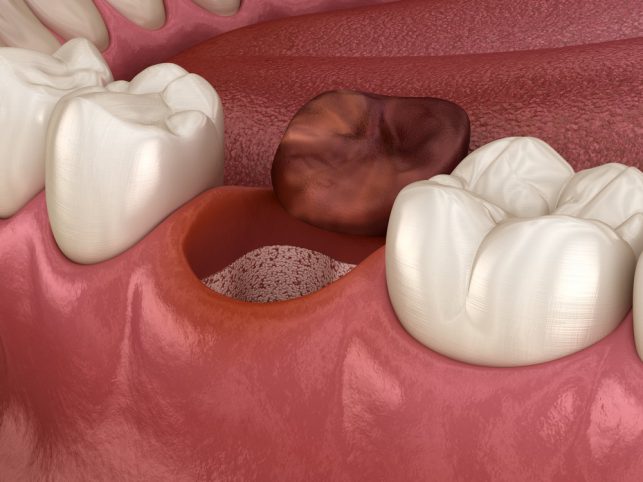
When a tooth is extracted, it leaves behind a socket in the jawbone. In a normal healing process, the body responds by forming a blood clot or scab in the socket. This blood clot serves as a protective barrier over the exposed nerves and bone. However, in the case of a dry socket, this healing process is disrupted, leading to intense pain and complications.
A dry socket typically presents itself as a hollow area in the jaw with white boney protrusions. The most noticeable symptom is severe and worsening pain. Several factors can make you more prone to developing a dry socket, including:
- Clot Dislodging: Sucking actions like drinking through a straw can dislodge the blood clot prematurely.
- Smoking: Tobacco use, especially smoking, can interfere with proper healing and increase the risk of dry socket.
- Pre-existing Infection: If an infection was present before the tooth extraction, it can impede the healing process.
- Using Straws: Using straws for drinking shortly after the extraction can disrupt the blood clot.
- Immediate Brushing: Brushing the extraction site too soon after the procedure can also interfere with clot formation.
Normal Socket vs. Dry Socket After Tooth Extraction
Let’s examine the key differences between a normal socket and a dry socket:
Normal Socket:
- Pain Improvement: Pain typically improves gradually over time.
- Clot Retention: The blood clot or scab remains in place in the socket.
- No Bone Protrusion: There is no appearance of white bone sticking out from the jaw.
- No Blood: There is no trace of blood in the mouth.
- No Bad Taste: The mouth does not taste metallic or salty.
- No Bad Breath: There is no sign of halitosis (bad mouth odor).
Dry Socket:
- Intense Throbbing Pain: Pain is intense and often follows a pattern of getting better briefly, then worsening again.
- Clot Dislodgment: The blood clot is often dislodged due to suction actions or other factors.
- Bone Protrusion: White-colored bone may protrude from the jaw area.
- Bad Taste: Patients may experience a bad taste in their mouth.
- Halitosis: Bad breath (halitosis) is a common symptom associated with dry socket.
Can A Dry Socket Heal Itself?
The good news is that a dry socket has the potential to heal on its own. However, due to the excruciating pain it causes, most patients seek professional dental care. It’s crucial not to underestimate the seriousness of a dry socket and to promptly address it.
While waiting to see a dentist, here are some steps you can take to manage the pain and discomfort associated with a dry socket:
- Salt Water Rinse: Gargling with a salt and water solution can help reduce pain and inflammation. This natural remedy has antibacterial properties.
- Ice Packs: Applying ice packs to the outside of the extraction site can provide relief from pain and swelling.
- Clove Oil: Clove oil contains essential compounds with antibacterial and anti-inflammatory properties. It can help alleviate pain when applied to the affected area.
- Honey: Honey can soothe pain and promote healing by forming a protective layer over the exposed socket contents.
- Over-the-Counter Painkillers: While over-the-counter pain relievers like Tylenol won’t heal a dry socket, they can effectively manage the pain associated with it.
Recognizing the disparities between a regular socket and a dry socket following tooth extraction is crucial for swift diagnosis and treatment at Clove Dental Clinic. If you suspect you may be experiencing a dry socket characterized by intense pain and associated symptoms, it’s imperative to promptly seek professional dental care. Although home remedies may offer temporary relief, consulting with our dentists is the most effective means of ensuring proper healing and averting potential complications. Prioritizing dental health is paramount, and addressing concerns like dry sockets in a timely manner is a fundamental aspect of preserving a healthy and radiant smile.


