
Introduction
When faced with a missing tooth, many questions come to mind, with one of the most common being, “Which teeth can dental implants replace?” This question often arises when a patient loses a tooth in a challenging area of the mouth. Fortunately, the answer is both reassuring and versatile: dental implants can replace any missing tooth. Whether it’s a single tooth, multiple adjacent teeth, those in the front or back, or even an entire row of teeth, dental implants can restore both function and aesthetics, delivering a natural-looking, beautiful smile.

Understanding Dental Implants
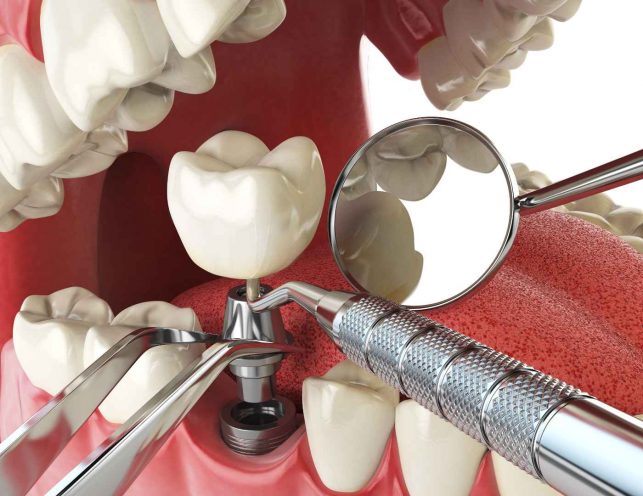
To appreciate the full scope of dental implants, it’s essential to understand how they work. Dental implants consist of three primary components:
- Implant Device: This is the foundation, directly inserted into the jawbone. Typically made of titanium, it forms a secure bond with the bone, promoting osseointegration, which ensures strong, long-lasting results without discomfort.
- Abutment: The abutment connects the implant device to the final piece – the denture or crown.
- Crown or Denture: The visible part of the implant, the crown or denture, is custom-made to blend seamlessly with your natural teeth, providing both functionality and aesthetics.
Benefits of Dental Implants
Dental implants offer a multitude of benefits for individuals in need of tooth replacement. Consider these advantages:
- Protection for Surrounding Teeth: Dental implants keep neighboring teeth stable and properly aligned, preventing potential shifting or misalignment.
- Bone Health: When a tooth is missing, the jawbone in that area can deteriorate over time. Dental implants, by replacing both the tooth and its root, stimulate the bone, ensuring it remains strong and healthy.
- Preventing Facial Sagging: Bone loss due to missing teeth can lead to facial sagging. Dental implants help prevent this, preserving your facial structure.
- Resistance to Decay: Unlike natural teeth, dental implants are impervious to decay and cavities, offering long-term oral health benefits.
- Natural Appearance and Functionality: Dental implants are virtually indistinguishable from natural teeth. They restore full chewing ability, speech, and overall oral health, providing a seamless and confident smile.
Longevity of Dental Implants
With proper care and maintenance, dental implants can last a lifetime. Just like natural teeth, diligent oral hygiene practices such as regular brushing, flossing, and professional dental check-ups are essential for their longevity. The biocompatible nature of titanium, the primary material used in dental implants, makes them non-toxic and resistant to rejection by the body. Therefore, they have the potential to endure for a lifetime when cared for correctly.
Are Dental Implants Right for You?
If you have a missing tooth or teeth, dental implants could be the solution you’re seeking. They offer stability, functionality, and aesthetic appeal. However, it’s crucial to recognize that while dental implants are an excellent choice for many, they may not be the only option available, depending on your specific circumstances and financial considerations.
To determine if dental implants are your best option, consult with your dental provider. They will evaluate your medical and dental history, assess your current oral health, and discuss your unique needs and concerns. Armed with this information, they can help you make the best decision for your dental health.
Conclusion
In summary, the question, “Which teeth can dental implants replace?” can be answered with confidence: dental implants can replace any missing tooth, offering a multitude of benefits, including protection for neighboring teeth, preservation of bone health, prevention of facial sagging, resistance to decay, and a natural appearance and functionality.
If you’re considering dental implants, take the first step towards restoring your smile by scheduling an appointment with an oral surgeon. Don’t wait; contact Clove dental at as soon as a tooth is lost. Our team is dedicated to helping you regain your confident smile through the power of dental implants.
read more:
Helping Children Overcome Dental Anxiety: A Guide for Parents
Understanding Bleeding Gums Causes
Normal vs Dry Socket after Tooth Extraction: Understanding the Differences