

Are Dental Implants Safe?
Implants are a popular tooth replacement choice. Dental implants are a cosmetic solution to missing teeth. Still, they provide vital support for overall oral health, with many patients choosing dental implants as they offer a viable solution to living an everyday life after tooth loss. Since implants involve surgery, you may be wondering if they’re safe.
“What are dental implants?”
Dental implants are used to replace a tooth or teeth that are missing due to either impact or decay. It is the best and most efficient treatment option to create a natural function, look and feel and it will often provide a long-term solution to tooth loss. The implant contains a titanium ‘root’ in the gum and a ceramic crown replicating the original tooth.
“Why might I need dental implants?”
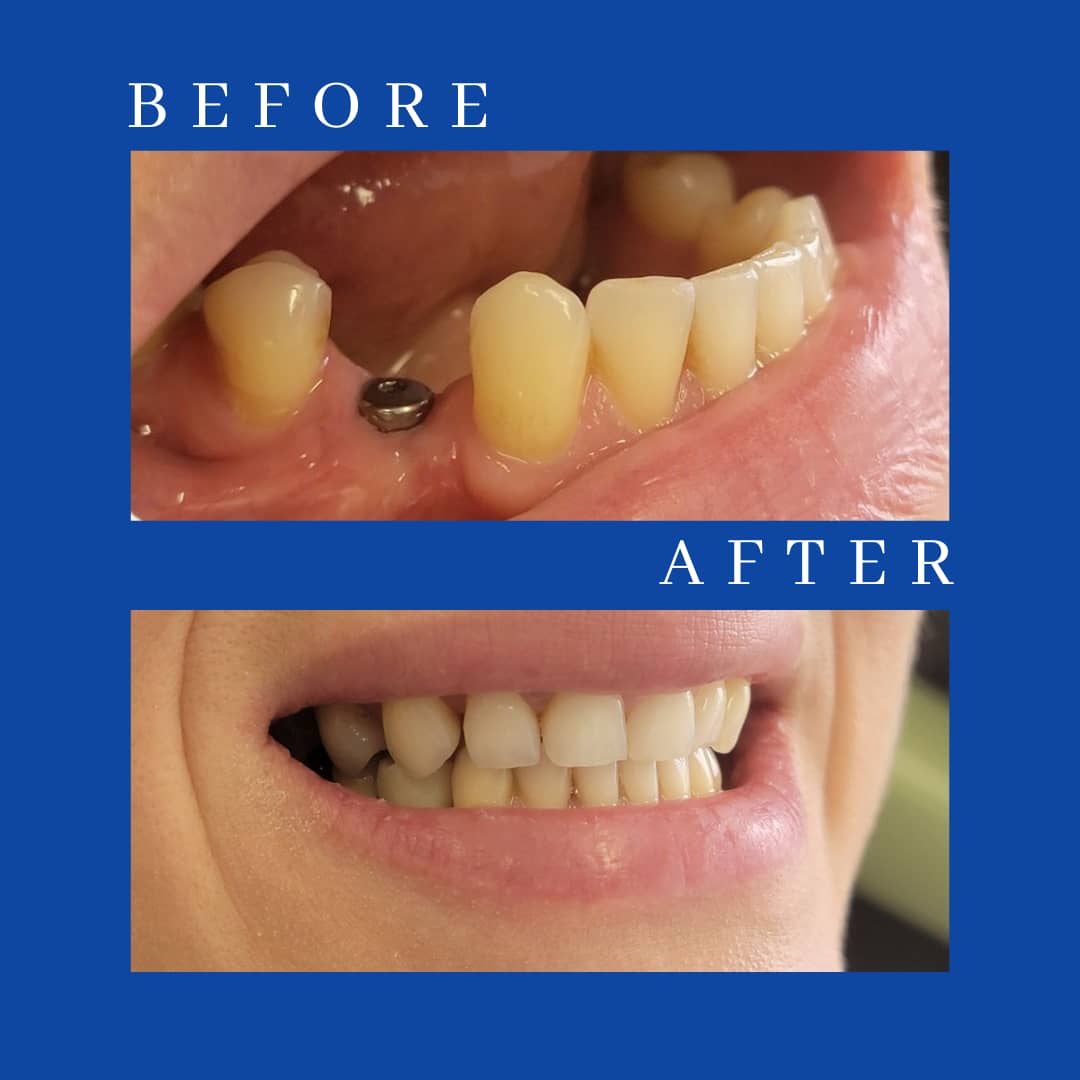
Many patients choose implants for longevity and because they offer a better quality of life than other treatment options. You may choose to have dental implants because of an accident that has caused tooth loss or where the tooth cannot be recovered, leaving a gap. Not only will dental implants close this gap, but they can prevent the teeth from moving and causing further oral issues. Another reason you might also choose dental implants is if you have suffered from substantial tooth decay and want to restore your teeth.
“How safe and effective are dental implants?”
Dental implants surgery has been a part of dentistry for more than 30 years, and it’s an entirely safe procedure. Plus, due to modern technologies, installing implants has improved over the years. There is almost no risk of significant complications or problems with the dental implant procedure for most patients in good health. Although, it is crucial to be in good dental health before you get dental implants. Between 90-95% of implants were still in perfect condition 10 years after placement, and the success rate is between 95-98% over up to 40-50 years.
“Who is not the right candidate for dental implants?”
Dental implants are not for everyone. Some pre-existing health conditions can make it difficult for your body to deal with any form of surgery or healing. Other conditions place your body under a great deal of stress, and it is recommended to allow yourself to heal from or finish addressing them before undergoing dental implantation.
Examples of conditions or risk factors that may stop you from getting dental implants include:
•Nerve damage to your face, gums, or mouth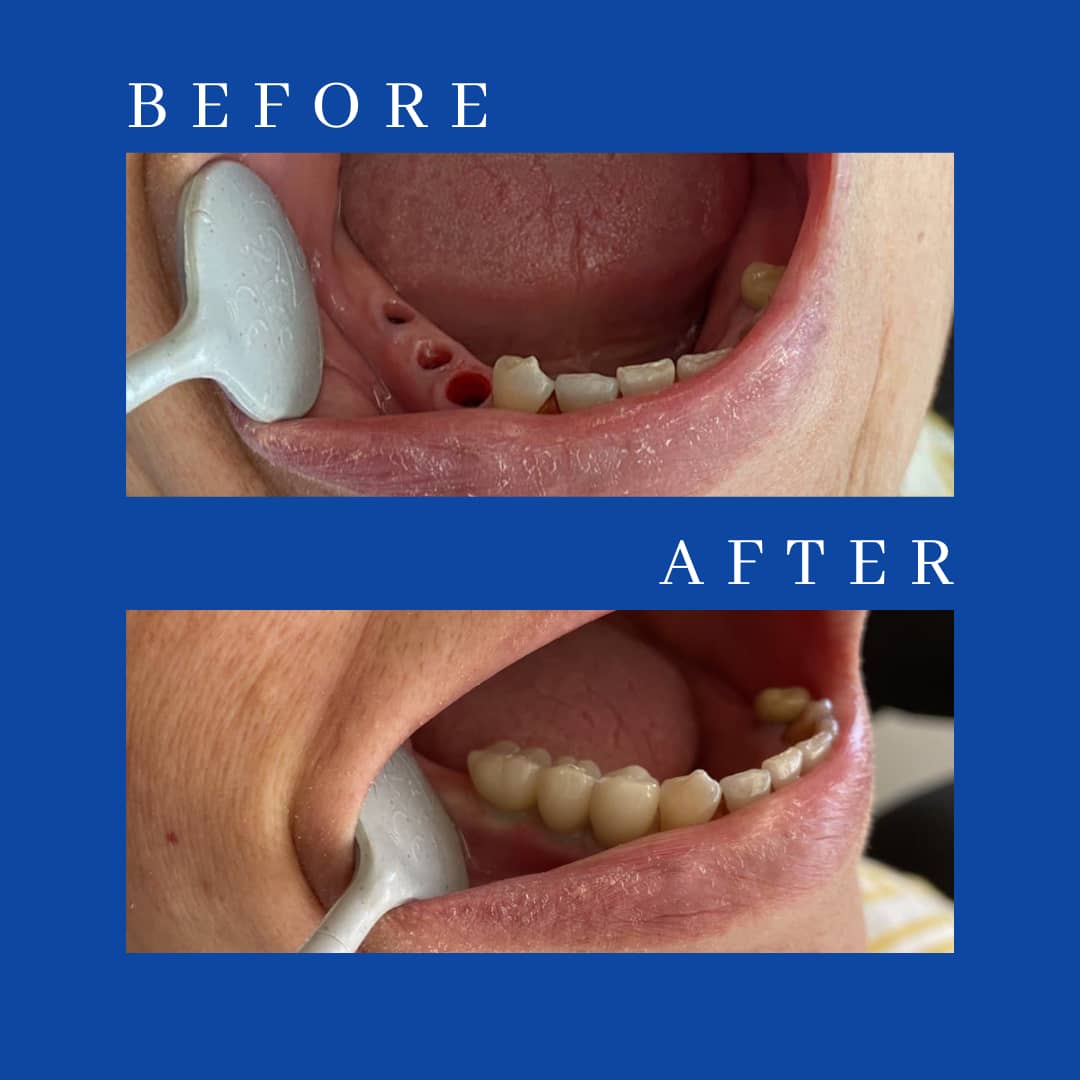
•Being pregnant
•Being a heavy smoker
•Having cancer
•Severe bone loss
•Having an active infection, particularly in or around your mouth or sinuses
Many of these risk factors are temporary. Even severe and complex risk factors such as bone loss do not necessarily prevent all patients from qualifying for or succeeding with dental implants.
“Are Complications From Dental Implants Rare?”
Dental implants are incredibly safe, but some complications can happen in some conditions. The most common complication is peri-implantitis which is an infection of the gum tissue near the implant. The cause is improper cleaning of the implant area during the procedure or if the patient does not clean and care for their implant appropriately after their surgery. However, following your recovery instructions after surgery and working with a skilled dentist for an implant will almost eradicate the risk of this complication. Another rare complication is implant rejection or “foreign body rejection,” which happens when you have an immune system reaction or allergic reaction to the implant. More rarely, the implant might fail to attach to the bone suitably. This is more common in patients who have a weakened jaw bone, which can be prevented with adequate pre-implant planning and surgeries, such as bone grafting to strengthen the jaw.
Are dental implants safe for the elderly?
As long as the patient is healthy, there is no age limit for installing implants. Anyone who is in need of tooth replacement options may qualify for implants, no matter what their age.


