

7 Common Postoperative Complications After Wisdom Teeth Removal
Wisdom teeth removal is a routine surgical procedure, typically performed under local anesthesia. While complications are relatively rare, they can still occur. If you’re concerned about the potential complications or postoperative discomfort, this article aims to provide you with valuable information. You can also discuss any concerns with your dentist, as most competent specialists are happy to address your questions and explain the process in detail.
Understanding Wisdom Teeth Extraction
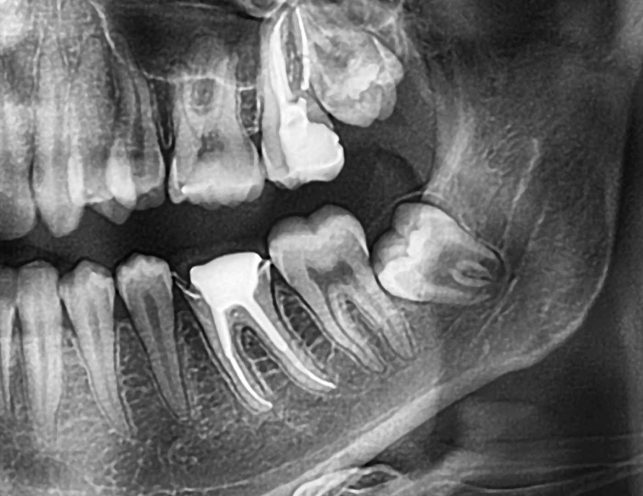
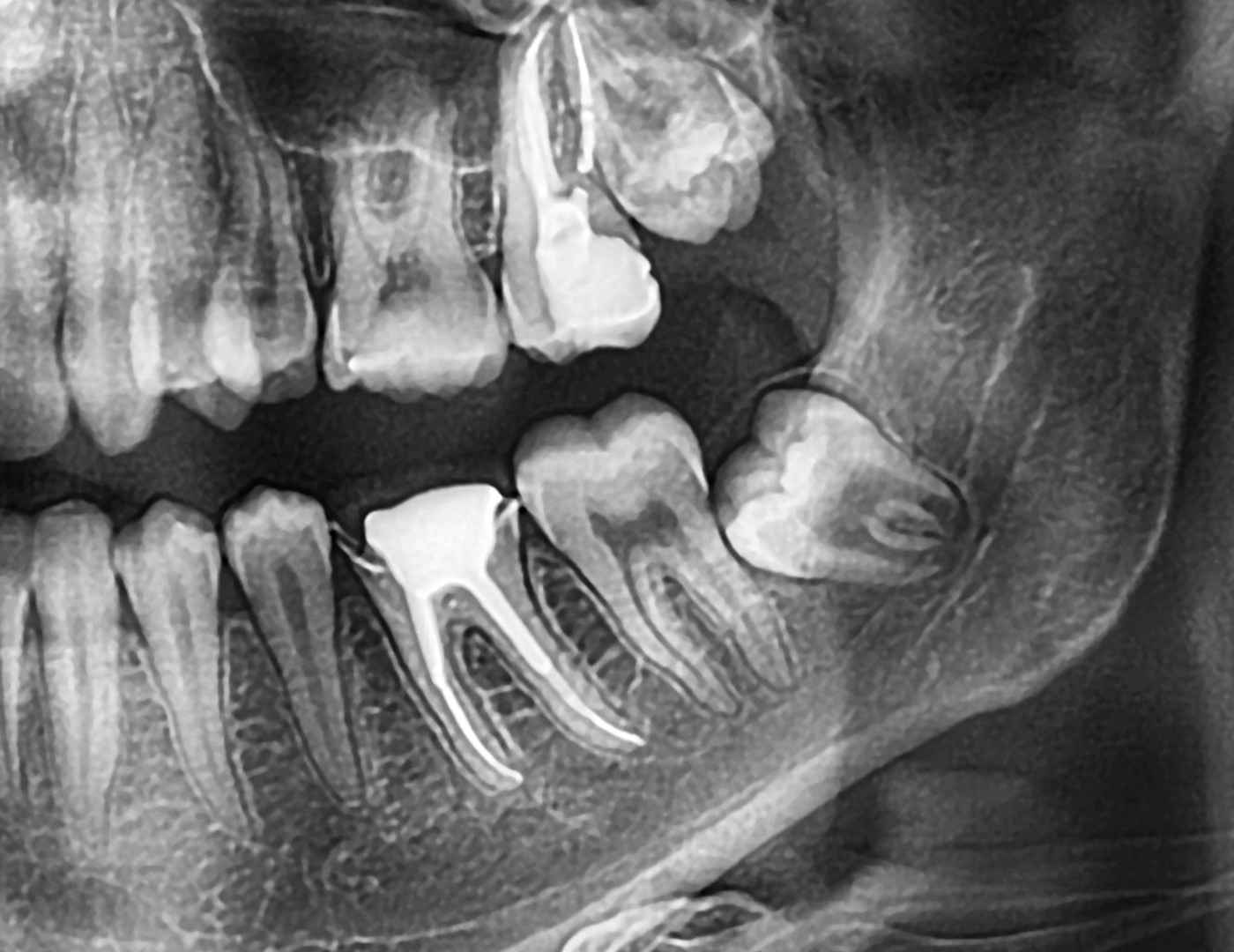
Wisdom teeth, also known as third molars, usually start to emerge in late adolescence or early adulthood. They are often removed because they can cause various oral health issues, such as impaction, crowding, pain, and infection. The extraction process typically involves making an incision in the gum, removing any bone that blocks access to the tooth, dividing the tooth into sections, if necessary, and finally, removing it.
Potential Complications After Wisdom Teeth Removal
Here are some of the most common complications that may arise following wisdom teeth removal:
1. Pain and Swelling: It’s common to experience pain and swelling in the days after your wisdom teeth removal. The intensity can vary among individuals and is often linked to the duration of the surgery. In addition to dental pain relievers, your dentist may recommend consuming soft foods and avoiding strenuous physical activity to expedite the healing process.
2. Limited Mouth Opening (Trismus): Extensive procedures like tooth extractions can lead to temporary trismus, where you can’t open your mouth freely. This is particularly common among patients aged 17 to 25. Your dentist may suggest remedies like heat therapy, muscle relaxants, or jaw opening devices if jaw stiffness persists.
3. Dry Socket: Dry socket remains a common side effect of wisdom teeth removal. It occurs when the blood clot in the empty tooth socket becomes dislodged. While pain can initially start in the ear and radiate downward, severe throbbing pain and an unpleasant taste or odor are typical signs of dry socket. Studies suggest it’s more frequent among smokers and women who take birth control pills.
4. Nerve Injury: Although rare, injury to a sensory nerve is a possible complication, particularly in elderly patients. Symptoms may include pain, tingling, and numbness in the tongue, lower lip, chin, and gums. In most cases, the injury is temporary, lasting from a few weeks to several months.
5. Excessive Bleeding: While minor bleeding and redness are common during the first 24 hours after the procedure, they typically subside within 8 to 12 hours as a blood clot forms over the extraction area. However, around 30% of patients may experience excessive bleeding. The amount of bleeding depends on the location and position of the tooth.
6. Infection: Postoperative infections are rare but require clinical evaluation. You might experience severe pain, swollen gums around the extraction site, fever, and yellow or white discharge. Typically, a week-long course of antibiotics resolves the infection. If it persists, the area may require draining and thorough cleaning.
7. Sinus Opening: Impacted wisdom teeth near your sinuses can potentially lead to sinus communication. In such cases, an opening forms between a tooth socket and a sinus. This risk can be eliminated by removing the last set of molars early. If it occurs, the opening should spontaneously close on its own. Avoid blowing your nose for a couple of days following the procedure to aid the healing process.
Seeking Expert Wisdom Teeth Removal in Toronto
If you’re seeking a pain-free wisdom teeth extraction, consider Clove dental Facial Oral Surgery, where you’ll find top-notch expertise for addressing missing, damaged, or broken teeth. Clove dental, a leading prosthodontist, boasts extensive experience and training. If you reside in Toronto or the surrounding area, contact us for an initial evaluation to determine if you’re a suitable candidate for wisdom tooth removal. Your oral health is our priority, and we aim to provide you with the best possible treatment. Don’t hesitate to get in touch with us today.


