
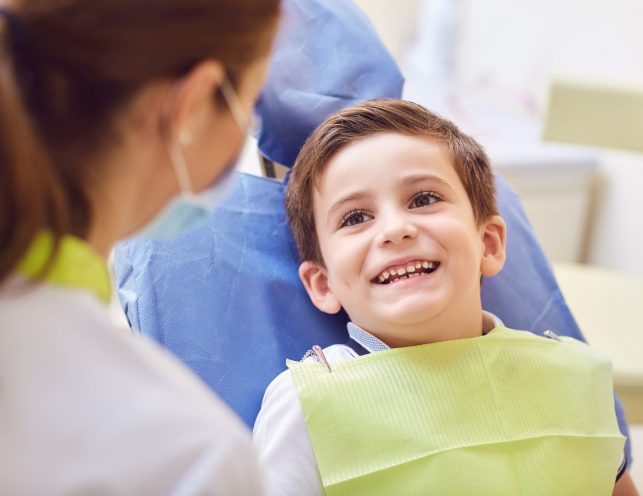

Dental anxiety in children is a common issue that can hinder their oral health. Approximately 20% of school-aged children experience fear and anxiety when it comes to visiting the dentist. While these fears are often rooted in a child’s perception of danger, parents and caregivers can take proactive steps to help their children overcome dental anxiety. In this guide, we will explore the reasons behind children’s dental anxiety and provide practical strategies for parents to support their child’s oral health journey.

Understanding Children’s Dental Anxiety:
Dental anxiety in children can stem from various sources, and it’s essential for parents to identify the specific cause to address their child’s fears effectively. Some common reasons behind dental anxiety in children include:
- Obstructed Breathing: During dental visits, children may feel anxious due to the sensation of having their mouths open, making it challenging to breathe normally.
- Powerlessness: Children may fear the loss of control during a dental visit, particularly if they experience discomfort or pain.
- Pain: Past negative experiences, such as painful dental procedures, can contribute to ongoing dental anxiety in children.
- Unexplained Fear: Sometimes, children’s anxiety may be challenging to pinpoint, arising from factors like hearing about negative experiences from others or sensory sensitivities.
Strategies to Help Children Overcome Dental Anxiety:
Addressing dental anxiety in children is crucial to ensure they receive regular dental care and maintain good oral hygiene. Here are some effective strategies for parents to help their children overcome dental anxiety:
- Schedule Regular Dental Checkups: Consistency is key. Ensure your child attends regular dental checkups every six months to familiarize them with the dental environment and build a sense of security.
- Choose the Right Dentist: Find a dentist who specializes in treating children and creates a child-friendly, calming atmosphere in their office.
- Give Fair Warning: Provide your child with advance notice of dental appointments, allowing them time to process their anxiety and ask questions.
- Tread Carefully: Be honest with your child about the dental visit, but avoid using frightening terms or excessive details that may exacerbate their anxiety.
- Set a Good Example: Demonstrate good oral hygiene habits and regular dental visits to instill confidence in your child. However, exercise caution when bringing your child to your own dental appointments.
- Emphasize Good Oral Hygiene at Home: Encourage healthy oral hygiene habits at home, including brushing twice a day, daily flossing, and a low-sugar diet to prevent dental issues.
Conclusion:
Dental anxiety in children is a prevalent issue that can negatively impact their oral health. By understanding the root causes of this anxiety and implementing proactive strategies, parents can help their children overcome their fear of the dentist. Regular dental checkups, choosing the right dentist, providing fair warning, using age-appropriate language, setting a good example, and emphasizing good oral hygiene at home are all essential steps in ensuring a child’s positive dental experience and long-term oral health.
With Clove Dental, avoid a disastrous pediatric dental visit.
For parents, dental fear in children can be a source of perplexity and irritation. It can be challenging to identify the causes of children’s concerns and determine the most effective strategies for assisting them in overcoming them. In order to help all of our patients live their best lives with healthy teeth and gums, we at Family Dentistry of Clove Dental are committed to assisting them in overcoming their dental phobia. We approach dentistry from a patient-centered perspective, which means we prioritize our patients.
learn more:
Understanding Bleeding Gums Causes
Normal vs Dry Socket after Tooth Extraction: Understanding the Differences


