

The Comprehensive Guide to Preventive Dentistry: Building a Foundation for a Healthy Smile
In the realm of modern dentistry, preventive measures play a pivotal role in maintaining optimal oral health. This blog delves into the intricacies of preventive dentistry, elucidating its significance, procedures involved, and how individuals of all ages can benefit from it.

Understanding Preventive Dentistry:
Preventive dentistry is a contemporary approach designed to aid individuals in preserving a healthy mouth, minimizing the need for extensive dental treatments. The primary adversaries, tooth decay, and gum disease, can be effectively managed through collaborative efforts between patients and dental professionals.
Who Can Benefit?
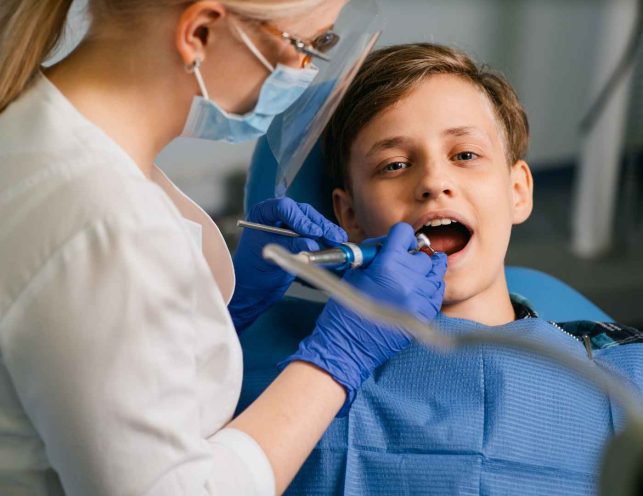
The beauty of preventive dentistry lies in its inclusivity. From children to adults, anyone with natural teeth stands to gain from its principles. Even those without natural teeth can benefit, as conditions like mouth cancer can be identified during routine dental visits.
Components of Preventive Dentistry:
- Assessment and Planning:
- Your dental team evaluates your oral health, devising a treatment plan to restore and maintain it. A subsequent “maintenance plan” ensures long-term oral well-being.
- Plaque Removal:
- A thorough cleaning, often referred to as a ‘scale and polish,’ eradicates plaque and tartar, preventing the progression of decay and gum disease.
- Education on Oral Hygiene:
- Dental professionals guide you on effective brushing techniques and the use of interdental brushes or floss to eliminate bacterial plaque, a key contributor to decay and gum inflammation.
- Dietary Advice:
- Your dentist may discuss your diet, offering insights into how food choices impact oral health. Cutting down on sugary snacks and drinks is emphasized.
- Check and Maintenance of Fillings:
- Ensuring existing fillings are in good condition and devoid of rough edges is crucial for facilitating easy cleaning.
Treatment Recommendations:
A preventive dentist may suggest treatments aimed at strengthening teeth, preventing potential breaks or fractures. Addressing issues like cracked or weak teeth proactively ensures a more favorable outcome than dealing with emergencies.
Strengthening Teeth with Fluoride:
Fluoride, a stalwart in dental health, aids in resisting decay. Dental professionals recommend fluoride levels in toothpaste based on individual needs, and varnishes may be advised for children.
Pit and Fissure Sealants:
These sealants act as a protective barrier on the biting surfaces of teeth, making them smoother and less prone to decay. Dental teams assess the suitability of sealants on an individual basis.
Dietary Impact on Oral Health:
Understanding the role of diet is pivotal in preventive dentistry. Foods high in sugar contribute significantly to decay, while a diet rich in fruits, vegetables, and minerals helps prevent gum disease and guards against mouth cancer.
Dental Erosion and its Prevention:
Acidic foods and drinks can erode enamel, leading to pain and sensitivity. Strategies such as limiting acidic consumption to meal times and delaying tooth brushing after eating aid in preventing erosion.
Effects of Smoking and Drinking:
Smoking and excessive alcohol consumption can wreak havoc on teeth and gums, causing staining, tooth loss, and an increased risk of mouth cancer. Quitting smoking is advised, and moderation in alcohol intake is crucial.
Home Care Practices:
Maintaining a robust oral care routine at home is indispensable:
- Brushing with fluoride toothpaste twice a day.
- Using interdental brushes or floss for thorough cleaning.
- Employing mouthwash, recommended by your dental team, to bolster protection against decay and gum disease.
Additional Preventive Measures:
- Limit Sugary Intake:
- Reducing the frequency of sugary foods and drinks is a significant preventive step.
- Strategic Drinking:
- Using a straw for fizzy or acidic drinks directs them away from teeth, reducing the risk of decay.
- Chew Sugar-Free Gum:
- Sugar-free gum stimulates saliva production, preventing dry mouth and aiding in plaque reduction.
- Regular Dental Visits:
- Regular check-ups, as advised by your dental team, are essential for ongoing preventive care.
Choosing the Right Oral Care Products:
The market offers an array of toothpaste, mouthwash, and toothbrush options. Dental professionals can guide you in selecting products tailored to your specific needs.
Conclusion:
Preventive dentistry stands as a beacon of proactive oral health care. Embracing its principles, coupled with a conscientious home care routine, empowers individuals to enjoy a lifetime of healthy smiles. Regular dental check-ups serve not only as a preventive measure but as a personalized roadmap for sustained oral well-being.
Sources:


